
Most HVAC companies promise 24/7 service. Fewer can tell you what actually happens when the phone rings at 1:47 AM on the coldest night of January. Since we run the night shifts ourselves, we can — and homeowners deserve to know what '24/7' means before they're betting a frozen house on it.
Here's the anatomy of an after-hours call in Franklin County, from the first ring to the running furnace.
The Phone: A Person, Not a Phone Tree
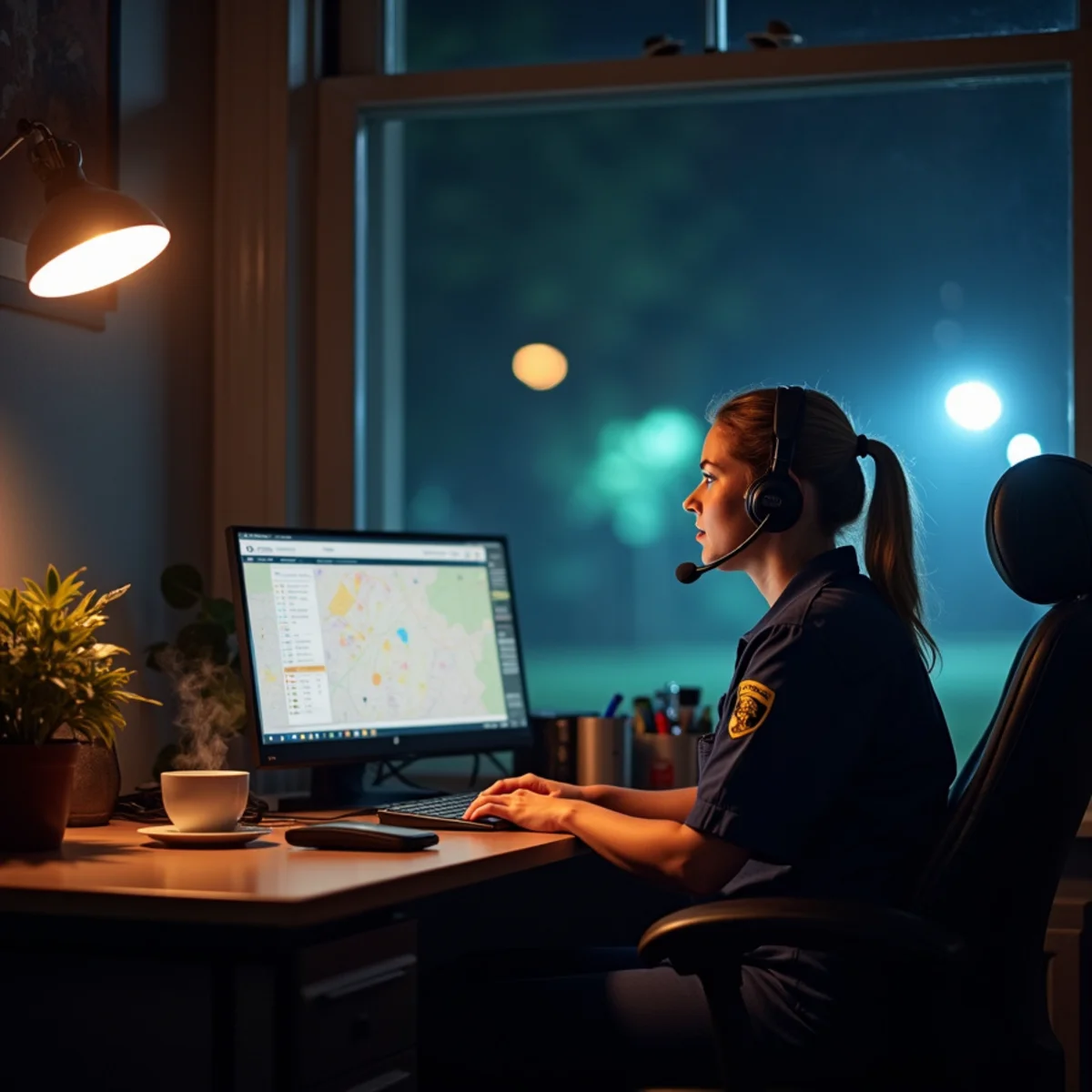
After-hours calls are answered by live dispatchers — people with the diagnostic checklist and the authority to prioritize. The first two minutes are structured: What type of system? Gas, propane, or heat pump? Any CO alarms, gas smells, or water where it shouldn't be? Who's in the house — infants, seniors, medical equipment?
Those questions aren't small talk. They determine triage: a no-heat call with a newborn at 20°F outranks a no-cool call on a mild night, and a gas smell triggers an immediate 911-first script before any HVAC conversation.
Phone Triage: Stopping Damage Before the Truck
Good after-hours service starts on the phone. Dispatch walks you through immediate protective steps: shut the system off if it's tripping breakers or making grinding sounds, switch a locked-out heat pump to EM heat, drip the faucets on exterior walls, open under-sink cabinets, gather the household into one room. Five minutes of coaching prevents the compounding damage that turns a repair into a restoration.
The dispatcher also gives you the honest arrival window — including overtime rates quoted upfront, because nobody should learn the after-hours pricing from the invoice.
- Shut the system off if it's tripping breakers or making grinding sounds — forcing it compounds the failure.
- Switch a locked-out heat pump to EM heat to hold the house while the outdoor unit rests.
- Drip faucets on exterior walls and open under-sink cabinets when heat is out in freezing weather.
- Gather the household into one room and close doors to hold warmth.
- Have your address, system type, and symptoms ready — intake takes two minutes when you're prepared.
Need this handled by a pro today?Same-day service across Franklin County • 24/7 emergency dispatch
Call +1 (327) 210-5999The Truck: Stocked for the Night's Likely Failures
After-hours trucks carry the statistical night: ignitors and flame sensors, pressure switches, capacitors and contactors, blower motors, common control boards, and the condensate parts that fail in cold snaps. The goal of night stocking is simple — most after-hours calls should end with heat or cooling restored, not with a promise to return when the supply house opens.
When a part genuinely isn't on the truck, the night plan shifts: make the system safe, deploy temporary measures where appropriate, and return first thing with the exact part. Honest limits, plainly stated.
The Visit: Same Standards, Different Hour
A 2 AM repair gets the same discipline as a Tuesday morning: full diagnosis before any work, the failed part shown to you, fixed pricing approved before wrenches turn, and combustion/CO testing on every gas call regardless of the hour. Tired is not an excuse for shortcuts, and 'it's late' never justifies selling a replacement that isn't needed.
You'll get a documented repair — readings and photos on the invoice — so the 2 AM fix connects to your system's history and warranty.
The Economics: What After-Hours Honestly Costs
Overtime dispatch carries a premium — that's true everywhere, and pretending otherwise would be dishonest. What we control is transparency: the rate is quoted on the phone, the repair is fixed-price, and maintenance-plan members pay no overtime diagnostic at all during emergencies. For households on the plan, the math of 'plan membership vs. one avoided emergency' usually resolves quickly.
The last piece is judgment: dispatch will tell you frankly when your situation can wait for morning without damage — and when it can't. Not every 11 PM call needs a 2 AM invoice, and saying so is part of the service.
The Bottom Line
After-hours HVAC service should be transparent: a person answers, triage happens on the phone, rates are quoted before dispatch, and the truck carries the night's likely failures. We run those shifts ourselves — through ice storms and record floods — and we'll tell you honestly when your situation can safely wait for morning.
Frequently Asked Questions
Yes — nights, weekends, and holidays, including the ice storms and flood events when Franklin County needs it most. Regional emergencies add dispatchers and rotations rather than reducing coverage.
Life-safety first: no heat in freezing temps, gas odors, CO alarms, active water damage. Then vulnerable households, then everything else by severity and proximity. Dispatch tells you where your call sits on that board, honestly.
Sometimes, yes — and dispatch will tell you when that's true, with the protective steps to hold the line overnight. Calling doesn't obligate you to an emergency visit; it connects you to the judgment.