
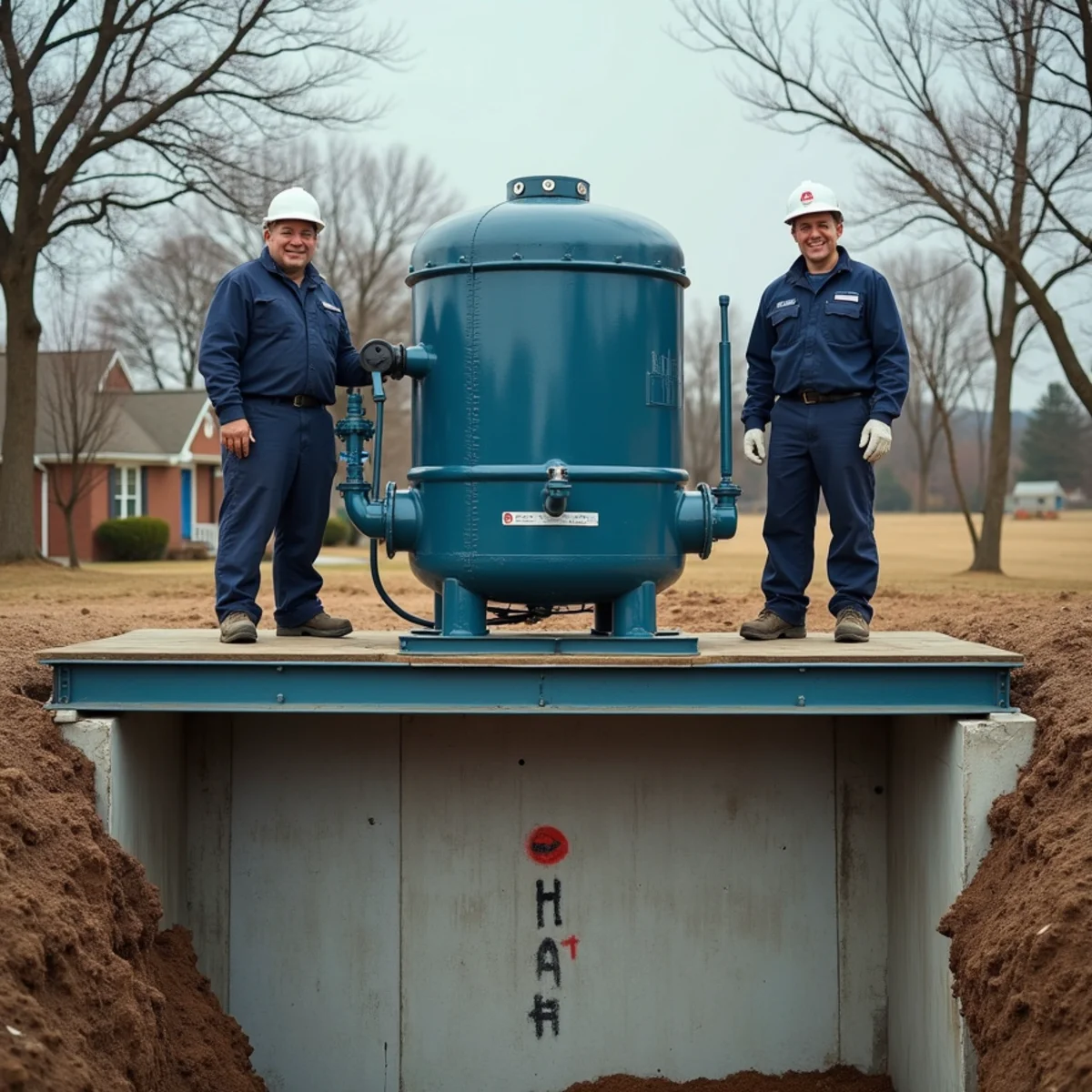
When floodwater reached the Buffalo Trace grounds, it made news because of what the distillery means to Frankfort. For the river neighborhoods, it was a reminder with a specific address: every property along the Kentucky River and its creeks has an elevation, and every piece of outdoor HVAC equipment sits at one. The height of your condenser pad is, in flood terms, your equipment's survival odds.
Here's how flood-smart placement works — the same standard we apply from Forks of Elkhorn to South Frankfort.
The Elevation Question Every River-Adjacent Home Should Answer
Where does water go on your property when the river rises? The answer lives in your flood zone, your property's flood history, and the water lines the last events left behind. Homes in the designated flood zones — Craw, Bellepoint, the South Frankfort river blocks, the Forks of Elkhorn bottoms — know their answer. Homes on the margins, near the creeks, often don't until the creek introduces itself.
The practical question: how high does water get at your equipment's location in a serious event? Anything at grade in a zone that's ever ponded is playing a game where the house always eventually wins.
What Flood-Smart Placement Looks Like
Elevated pads and platforms: condensers raised 24–48 inches or more, sized to FEMA guidance for the property's flood zone and its documented history. Relocated electricals: disconnects, whip, and wiring above the water path — the electrical is what kills a flooded unit. Air handler placement: out of basements and crawlspaces where the water goes, into elevated mechanical rooms or attic spaces where the architecture allows.
Line sets and drainage complete the picture: refrigerant lines routed and protected above splash zones, condensate managed so flood events don't backfeed. Done together, it's a system designed for the river's habits rather than surprised by them.
- Elevated pads and platforms: condensers raised 24–48 inches or more, sized to FEMA guidance and your property's documented history.
- Relocated electricals: disconnects, whip, and wiring above the water path — the electrical is what kills a flooded unit.
- Air handlers out of basements and crawlspaces where the water goes, into elevated mechanical spaces where the architecture allows.
- Line sets routed and protected above splash zones; condensate managed so floods don't backfeed.
Need this handled by a pro today?Same-day service across Franklin County • 24/7 emergency dispatch
Call +1 (327) 210-5999The Cost Math Nobody Argues With After One Flood
Elevating a pad and relocating a disconnect adds a modest premium to an installation — a fraction of the project. Replacing a drowned condenser, air handler, and soaked ductwork costs the whole project, plus the deductible, plus the months of discomfort, plus the documentation marathon. After one flood, every homeowner in the affected streets becomes a believer; the goal is believing before.
Insurance interacts with the math too: flood policies generally cover the equipment loss, but they don't make you whole for the season of disruption — and elevation upgrades aren't always fully covered. The smart structure: document everything for the claim, then put the elevation money where it prevents the next claim.
The River's Résumé — and the Creek's
The Kentucky River has flooded Frankfort in 1937, 1978, April 2025, and points between — each crest writing new water lines into neighborhood memory. The creeks run their own book: Benson Creek and Elkhorn Creek pond and back up on schedules the river doesn't dictate. 'We're not in the flood zone' is a phrase we've heard from homeowners whose equipment met creek water anyway.
The practical standard we apply: if your property's history or its terrain shows water, plan for water — regardless of what the zone map says. Terrain beats maps on the ground.
Getting Your Property Assessed
A flood-readiness assessment is a walk-around with purpose: your equipment's current elevation, your property's water history, the placement options your architecture allows, and the costs of each. It ends with a plan — elevate now, elevate at replacement, or the reassurance that you're already sitting high.
Call +1 (327) 210-5999 to schedule one. The river will write more chapters in Frankfort's flood history; the only variable under your control is how high your equipment sits when the next chapter starts.
The Bottom Line
Your condenser pad's height is your equipment's flood insurance premium, and it's priced at a fraction of a claim. Whether it's the Kentucky River or a creek that 'never floods,' terrain beats zone maps. Get the elevation assessment before the next high water — April 2025 already made the argument.
Frequently Asked Questions
Surviving one crest means the crest was lower than your equipment — not that the next one will be. Elevation is priced against the event that finally exceeds the last one, and April 2025 showed Frankfort exactly how records get set.
Sometimes — lifting a unit onto a platform with line-set and electrical adjustments is feasible for healthy equipment. More often, elevation happens at replacement, when the system is already open and the incremental cost is smallest. The assessment tells you which path your situation supports.
Yes — floodplain management standards expect mechanical systems elevated above base flood elevation in mapped zones, which is why elevation work supports both insurance standing and resale. We design to your zone's requirements and your property's actual history.