
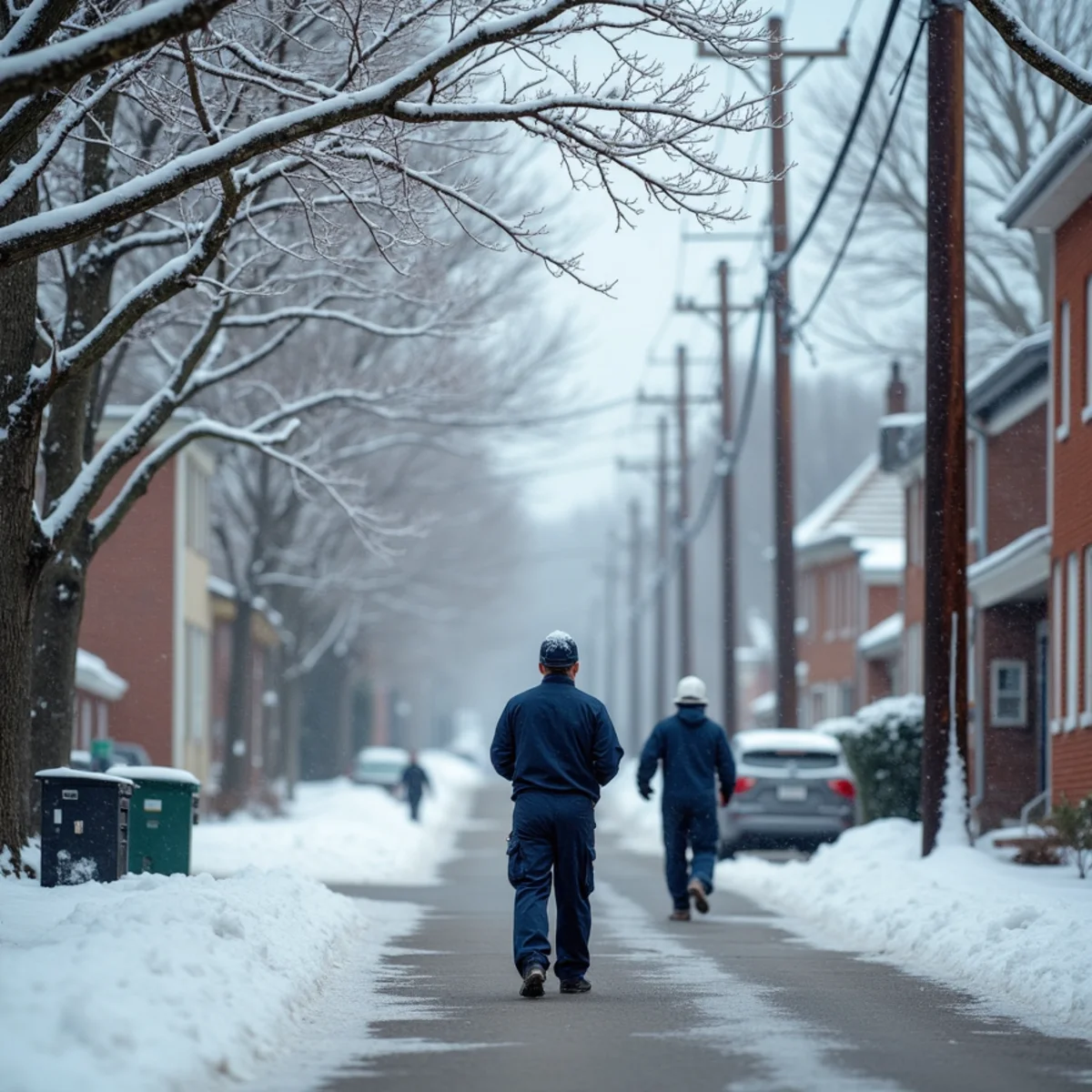
Ask any Frankfort homeowner who was here in January 2009 where they were when the trees started splitting, and you'll get a story. The 2003 and 2009 ice storms remain the county's defining winter memories — weeks of outages, roads glazed shut, and a region discovering exactly how much it depends on heat that depends on electricity.
We've rebuilt the heating systems those storms damaged and answered the phones during both. Here are the lessons, distilled — and the prep that decides whether the next storm is an inconvenience or an emergency.
Lesson 1: The Grid Is the Furnace's Fuel Too
The 2009 storm's cruel lesson: a perfectly good gas furnace is furniture when the power's out — blowers, controls, and ignitors all need electricity. Homes that weathered the outages best had backup plans: generators sized for the furnace and fridge, or at minimum, the knowledge of which circuits run which equipment.
Modern variable-speed systems sip less power than the old multi-horsepower blowers, which matters for generator sizing — but the planning matters more than the hardware. Know your furnace's circuit, its draw, and what a backup source needs to feed.
Lesson 2: Ice Finds the Weak Components
After both storms, our repair lists told the same story: heat pumps locked out with failed defrost boards and sensors, furnaces with pressure switches blocked by ice-glazed vents, and equipment crushed under falling limbs. The storm didn't create these weaknesses — it found the ones already there.
That's the case for the fall tune-up in an ice-storm state: the defrost system check, the venting inspection, the capacitor tests. Equipment that goes into the season healthy survives it; equipment running on borrowed parts discovers the loan comes due in January.
Need this handled by a pro today?Same-day service across Franklin County • 24/7 emergency dispatch
Call +1 (327) 210-5999Lesson 3: Condensers and Limbs Are Enemies
Both storms filled our logs with condensers crushed under splitting limbs — the iconic 2009 image was ice-loaded hardwood coming down across anything beneath it. Units parked under mature trees paid the highest price; units in cleared zones with protective placement fared far better.
Placement is the permanent fix: clear overhead, standoff from trunks, and where trees must shade (which helps summer efficiency), know which limbs overhang and watch them after freezing rain. Post-storm, document before cleanup — insurance claims for limb-strike damage pay on evidence.
Lesson 4: The Pipes Have a Shorter Fuse Than You Think
The storms' secondary damage — burst pipes in unheated houses — exceeded the HVAC damage in many homes. An unheated Frankfort house in a hard freeze starts freezing plumbing on exterior walls within hours. The 2009 playbook that worked: drip faucets, open under-sink cabinets, concentrate heat and people in one room, and get heat restored or temporary warmth deployed fast.
This is why no-heat calls are our top winter priority, and why the phone-coaching our dispatch gives during storms focuses on pipes first. Protecting the plumbing buys the time the repair needs.
The Prep List, Post-2009 Edition
Fall tune-up timed before the season's first freeze (defrost components, venting, capacitors). Generator plan sized for your furnace's actual draw. CO detectors fresh — storm-time generator and heater misuse is the quiet killer. A weather radio and our number saved where the power doesn't reach. And the storm-night basics: drip faucets, one warm room, safe heaters only.
The next ice storm isn't a question of if — Kentucky's climate writes them every decade or so. Call +1 (327) 210-5999 to get the prep visit scheduled; the 2009 veterans will tell you it's the cheapest insurance the season sells.
- Fall tune-up timed before the season's first freeze — defrost components, venting, capacitors.
- A generator plan sized for your furnace's actual draw, with a transfer switch or proper interlock.
- CO detectors fresh — storm-time generator and heater misuse is the quiet killer.
- A weather radio and the dispatch number saved where the power doesn't reach.
- The storm-night basics: drip faucets, one warm room, safe heaters only.
The Bottom Line
The 2003 and 2009 storms taught Franklin County that heat is the utility everything else depends on. The prep list is short and proven: fall tune-up, generator plan, fresh CO detectors, and the storm-night basics. The next ice storm is a when — the 2009 veterans already have their checklist out.
Frequently Asked Questions
Often, yes — modern furnaces draw modest power, but you need the right wattage, a transfer switch or proper interlock (never back-feeding), and safe placement outdoors. Know your furnace's draw before the storm; guessing during one is how equipment and people get hurt.
Exposure, component health, and defrost-system condition. Wind-driven ice coats exposed units; weak defrost boards and sensors lock out under load. The neighbor's fall tune-up was probably the difference.
EM heat needs electricity too — it's a backup strategy for heat pump failures, not outages. For outages, the plan is the generator or the relocation plan. Dispatch will help you build both before the forecast turns.