
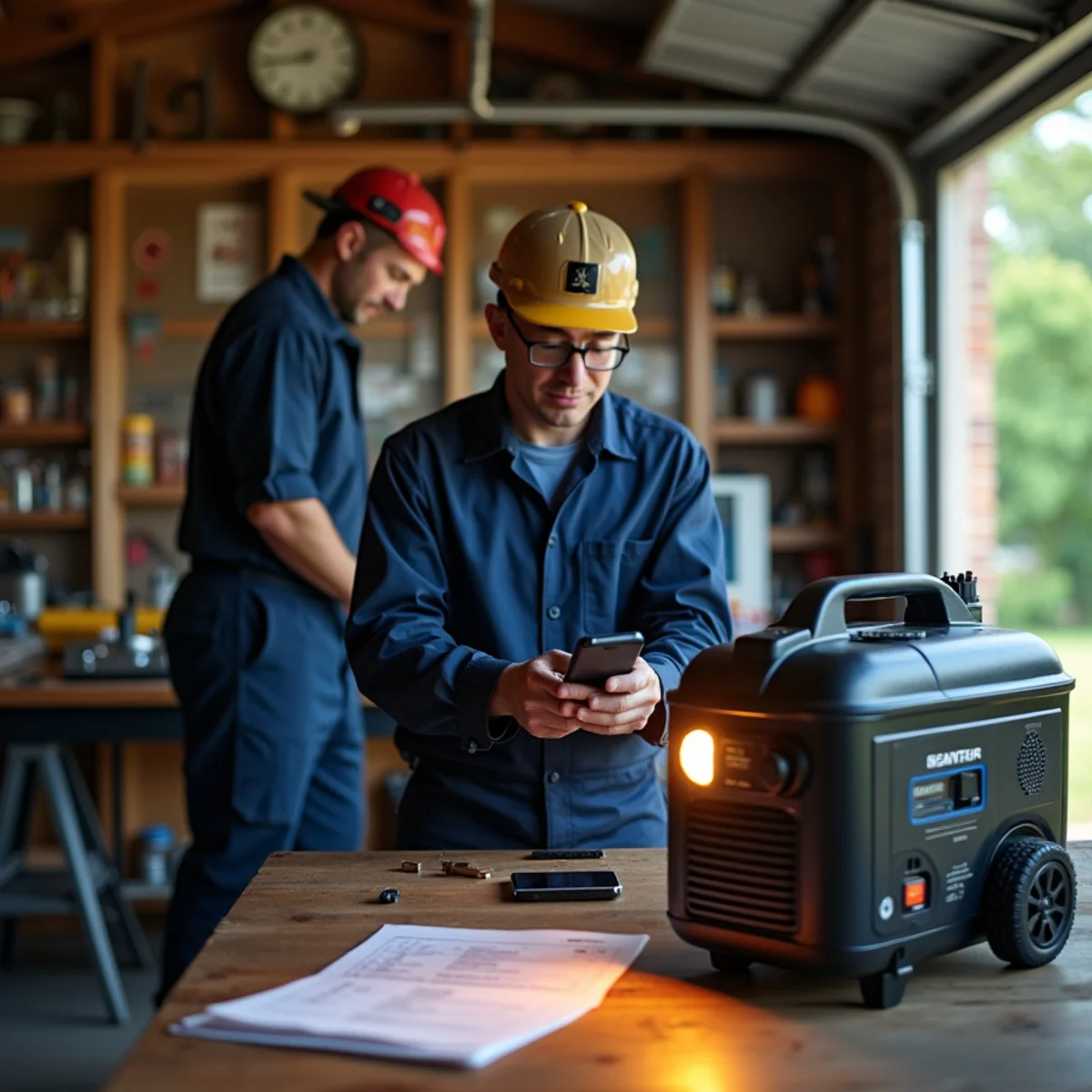
In Kentucky, the forecast phrase 'freezing rain' carries the memory of 2003 and 2009 — trees splitting, power out for weeks, and a county that learned exactly what it depends on. The forecast is also the starting gun: the twelve hours before ice arrives are when comfortable houses get made.
This is the prep checklist our own families use — before the storm, during it, and the morning after.
Before the Ice: The Twelve-Hour List
Heat the house up early — pre-heat to 72–74° while power is stable; thermal mass buys hours later. Change the filter (a choked system during a storm is a no-heat call waiting). Locate your furnace's breaker and, for gas systems, know where the shutoff is. Test CO detectors and replace expired units — storm nights are exactly when they matter.
Outside: clear the condenser's surroundings of anything that can become a projectile or a crushing limb — and photograph the unit's condition now, while it's healthy (insurance documentation starts before damage). For heat pumps, resist the urge to cover the unit; it needs airflow even in the storm. Charge phones, locate flashlights, and know your generator plan if you have one.
- Pre-heat the house to 72–74° while power is stable — thermal mass buys hours later.
- Change the filter and locate your furnace's breaker and gas shutoff.
- Test CO detectors; replace expired units — storm nights are when they matter.
- Clear the condenser's surroundings of anything that can become a projectile, and photograph its healthy condition for insurance baseline.
- Charge phones, locate flashlights, and settle the generator plan before the first glaze.
During the Storm: Running Rules
Let the system run steady — storms are not the night for thermostat experiments. Heat pumps will defrost visibly (steam, brief cool air): normal, let it work. If the unit ices solid or the fan stalls, switch to EM heat and leave the outdoor unit alone — chipping ice in the dark is how coils get bent.
If power flickers, note it: the restoration surge is when boards and capacitors die, and post-storm breaker checks matter. If power fails, shut the HVAC breaker OFF — the surge when power returns finds fewer victims that way. Keep interior doors open initially, then concentrate warmth in one room as the house cools.
Need this handled by a pro today?Same-day service across Franklin County • 24/7 emergency dispatch
Call +1 (327) 210-5999The Pipes Protocol (It's an HVAC Story Too)
No heat plus a hard freeze equals frozen plumbing within hours, so the storm-night plumbing protocol is part of the HVAC conversation: faucets on exterior walls at a pencil-lead drip, under-sink cabinet doors open, the household gathered into one warm room with the doors closed. Know where your main water shutoff is before you need it in the dark.
If you're on a generator, remember the furnace needs it more than the TV — blower and controls draw modest power, and heat is the utility that keeps everything else survivable.
The Morning After: The Assessment Walk
Power restored? HVAC breaker on, then listen: normal start, normal run. Check the outdoor unit — ice load it can shed through defrost is fine; a solid tomb with a stalled fan is a service call. Look at the condenser from a respectful distance for limb strikes, cabinet damage, and anything the wind relocated onto it.
Document any damage with photos before clearing debris — insurance claims run on evidence, and the morning-after photos are the evidence. Then give the system a day of observation: post-surge electrical failures and ice-crushed coils sometimes announce themselves on day two.
The After-Storm Service Wave (and How to Be Early In It)
Every ice storm produces a county-wide wave of no-heat calls, and the order of service follows the order of need: life-safety first, vulnerable households next, then the queue. Calling early — the first morning you know something's wrong — puts you early in the wave. Waiting a week puts you in it.
Call +1 (327) 210-5999 the moment something's off. And when the next storm is still just a forecast: the fall tune-up that checked your defrost board, venting, and capacitors is the prep that makes this whole checklist shorter. The 2009 veterans already know.
The Bottom Line
Freezing rain prep is a twelve-hour sport: pre-heat the house, fresh filter, known breakers, tested detectors, photographed equipment, and a one-room warm plan. During the storm, steady settings and EM heat discipline; after it, assess before restart and document everything. The 2009 veterans run this list from memory — now you have it in writing.
Frequently Asked Questions
No — heat pumps need airflow for defrost, and covers trap moisture against the coil. AC-only condensers can be covered against ice load, but honestly the better protection is clearing overhead limbs and letting it be. Nothing beats placement and pre-season health.
Switch to EM heat, leave the unit alone (no chipping, no hot water), and call us — a solid-ice unit with a stalled fan needs professional thawing and a defrost-system diagnosis. It's one of our fastest winter repairs when caught early.
Heat first (furnace blower and controls), refrigeration second, lights and phones third. Modern furnaces draw modest power — know your unit's draw before the storm and size accordingly. Never run a generator indoors or in an attached garage; storm-week CO poisonings are Kentucky's quiet casualty list.