
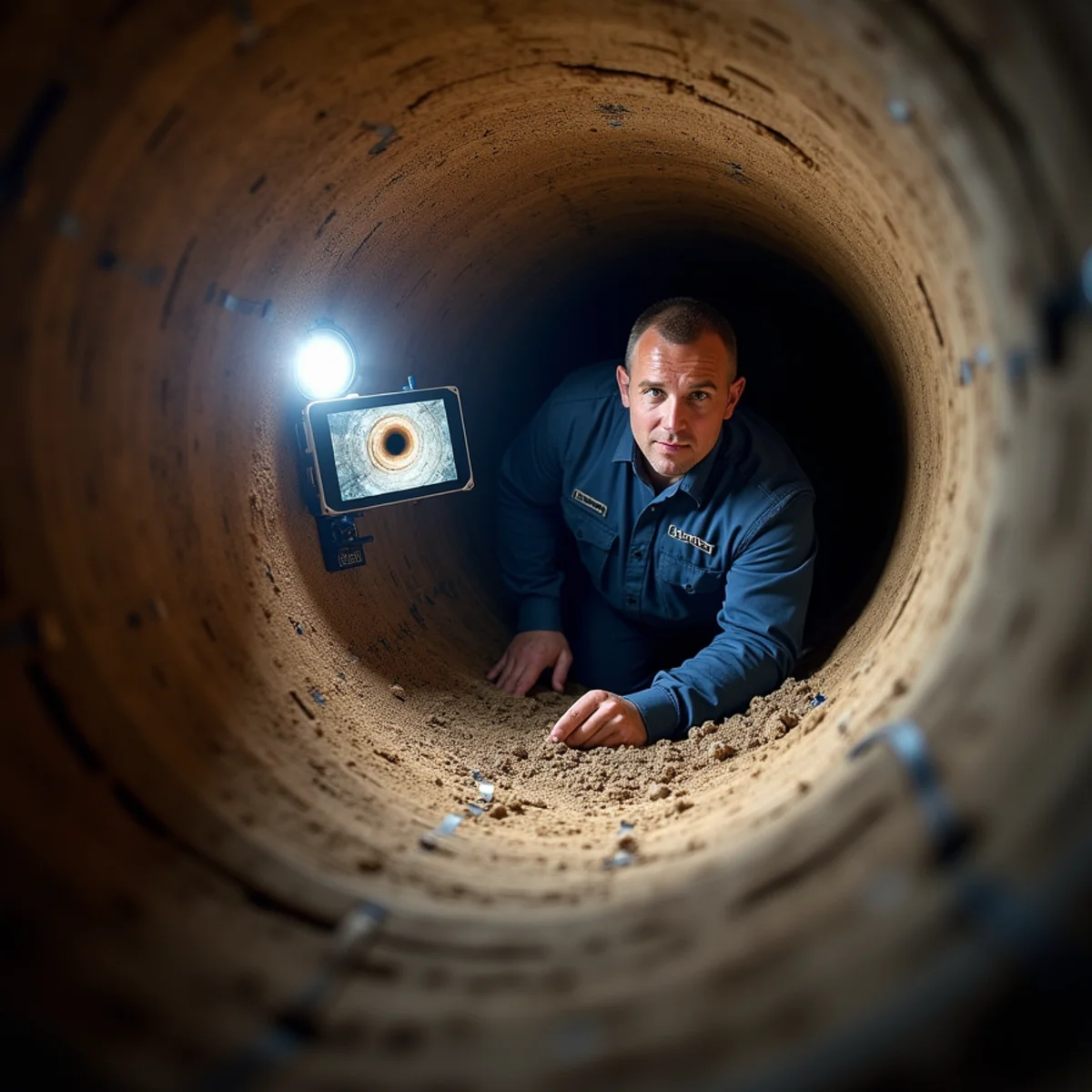
Every river-valley community has its version: the first hot day of June, the AC kicks on, and the house fills with that old-basement smell. In Frankfort it's homes along Benson Creek and the Kentucky River, the Switzer mill houses, the Bridgeport bottoms. The smell isn't in your imagination, it isn't the refrigerant, and no amount of duct freshener fixes it — because the smell is a message from your ductwork.
Here's what the message says and the cures that actually work, ranked by how often they solve the problem in homes like yours.
Cause 1: Return Leaks Sucking Up the Swamp
The most common culprit in river-valley homes: return ductwork with leaks or disconnections in the crawlspace or basement, where the air is damp, earthy, and full of mold spores. Return sides run negative pressure — every leak inhales. Whatever that space smells like, your system inhales and delivers to the living room.
The tell: the smell peaks right at startup, when the system's negative pressure is strongest. The cure is finding and sealing the return leaks — mastic-sealed joints, connected boots, capped abandoned runs — which is a duct-tech's Tuesday, not a demolition project.
Cause 2: The Crawlspace Itself
River-valley crawlspaces stay damp — the ground contributes, the creek air contributes, Kentucky's humidity contributes. A damp crawlspace grows mold on joists and ground vapor barriers, and even without duct leaks, stack effect carries its air upward into the house. Seal the returns and the smell may soften; fix the crawlspace and it leaves.
The durable fix is encapsulation: sealed ground barrier, sealed vents, dehumidification or conditioning. It also happens to make the crawlspace kinder to your ducts and equipment, and it reduces the radon pathway — a genuine three-birds situation in our county.
Need this handled by a pro today?Same-day service across Franklin County • 24/7 emergency dispatch
Call +1 (327) 210-5999Cause 3: The Evaporator Coil's Ecosystem
Kentucky summers turn indoor coils into biology experiments: condensation plus dust plus darkness grows biofilm that smells exactly like the swamp it is. A dirty coil also cools poorly, so the smell comes with a performance tax. Professional coil cleaning — properly done, with the right cleaners and a rinse that respects your drain pan — resets it.
Pair the cleaning with a filter upgrade: a media cabinet with MERV 11–13 filtration reduces the dust that feeds the film, and cleaner coils are colder coils that dehumidify better. In our dew points, that dehumidification matters as much as the smell.
Cause 4: Standing Water and Drain Problems
Clogged condensate drains and failed pumps leave water sitting in pans and line traps — a smell source that can also become ceiling damage when pans overflow. Condensate problems are disproportionately common in humid-summer counties like ours, and they're the version of this story with actual water damage attached.
Float switches, drain treatment, and annual condensate checks are standard in our maintenance visits — partly for the smell, mostly for the ceilings.
The Cure Order We Actually Recommend
Diagnose before deodorizing: a duct inspection with photos shows which causes you own. Then: seal the return leaks (always worth it), clean the coil and treat the drain (reset the biology), and fix the crawlspace if it's the source (the durable fix). Skip the in-duct perfume gadgets — they add a chemical note to a moisture problem and call it solved.
Call +1 (327) 210-5999 for a duct-and-air-quality assessment. River-valley homes earn their smell honestly — and lose it just as honestly when the actual source gets treated.
- Diagnose before deodorizing: a duct inspection with photos shows which causes you actually own.
- Seal the return leaks — always worth it, and usually the biggest single fix.
- Clean the coil and treat the drain to reset the biology feeding the smell.
- Fix the crawlspace if it's the source: encapsulation plus dehumidification is the durable cure.
- Skip the in-duct perfume gadgets — they add a chemical note to a moisture problem and call it solved.
The Bottom Line
The June musty smell is a message from your ductwork: return leaks, a wet crawlspace, or a coil's biology experiment. Diagnose before deodorizing — seal the returns, treat the source, and skip the perfume gadgets. River-valley homes earn the smell honestly and lose it the same way.
Frequently Asked Questions
Startup is when static pressures spike and any return leaks inhale hardest — and the duct air sitting in the system between cycles gets pushed out first. The pattern itself is diagnostic: it points at ducts and coil rather than the room.
UV can help keep the coil's biofilm in check when properly installed, but it doesn't fix return leaks or a wet crawlspace — the smell's actual sources. Treat causes first; UV is a supporting player, not the cure.
The mold spores and dampness behind it aren't healthy to breathe long-term, especially for allergy and asthma sufferers — and in our county, a damp crawlspace conversation includes radon. The smell is a symptom worth respecting.